






Mallorca properties
Welcome to First Mallorca, the leading real estate agency in Mallorca with over 25 years of experience in the sale and rental of luxury properties in Mallorca. First Mallorca offers fine real estate throughout the island from its 7 strategically positioned offices, employing over 55 experts in various fields of real estate. Our team of experts provide professional qualified support and advice when it comes to finding your holiday home or relocation property in Mallorca. And if you want to sell a property in Mallorca, our First Mallorca real estate agents also assist to sell your house at the best price.
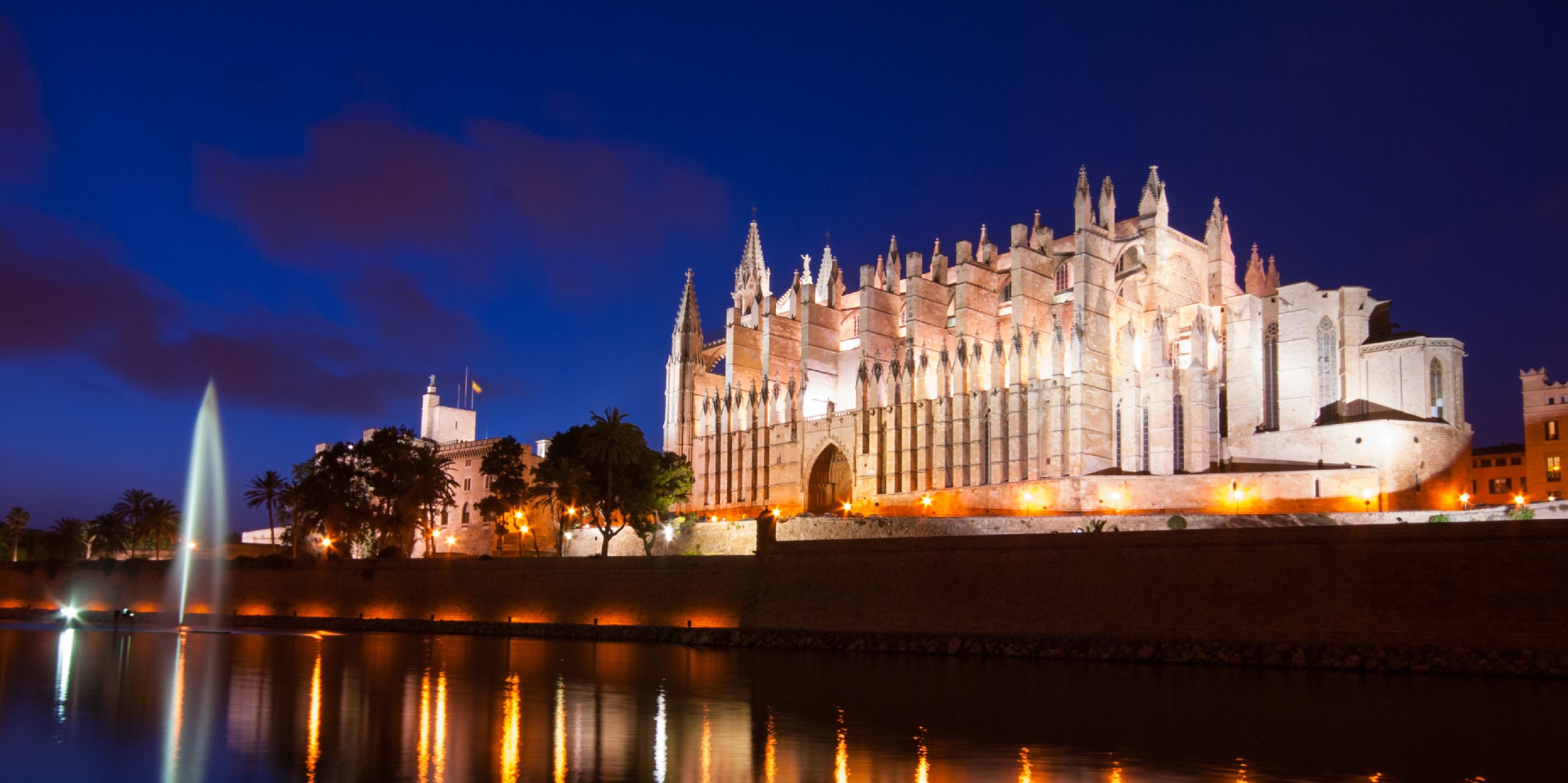
Mallorca's popularity as a first or second home is high due to many factors including its convenient location to European, Scandinavian and Central Eastern countries, all serviced by excellent flight schedules, as well as the accessibility to Mallorca by car ferries -easy access to property enjoying summer and winter sun and a quality for both the energetic or more relaxed. Mallorca, the largest of the Balearic Islands is by far the more diverse and interesting. For some it is love at first sight, for others it is a marriage following the sight and understanding of her beauty. The beauty which excites and marvels at the sight of her mountains, the villages enjoying their protection and churches displaying handsome period architecture dominating homes of former times but very much the homes of a present thriving community. From this original Mallorca it is an easy drive to numerous superb beaches, marinas and golf courses. From whatever point you are on the island, Mallorca's seafront capital is no more than an hour drive away. Palma city and its old town is a magnet for all: 3 kilometres of seafront, marinas and a busy harbour for visiting cruise ships, high quality boutiques and stores as well as pretty pavement cafés and restaurants to impress a culinary connoisseur.
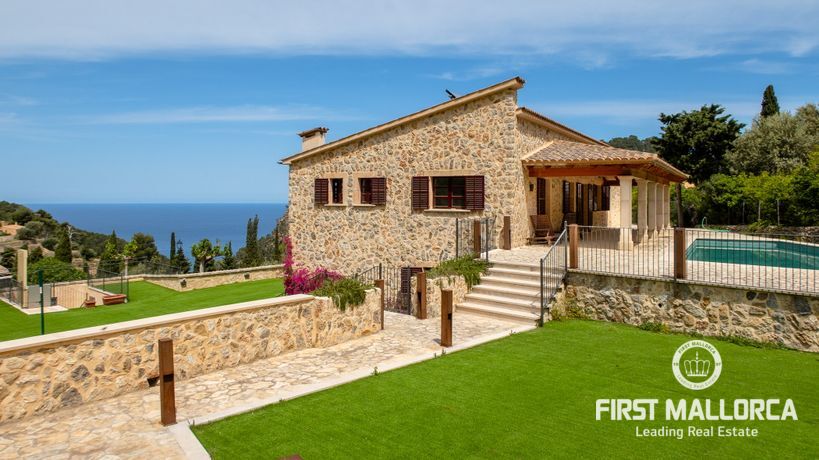
Within the beautiful Mediterranean environment there is such a variety of property opportunities. This is where First Mallorca can help - is it a second home in the sun, a family villa in reach of international schools, an apartment or luxury villa with sea views the idyllic Mallorca finca in the countryside to enjoy your own home-harvested oranges, a villa alongside the golf course or a chic city residence in Palma old town. Our real estate portfolio is extensive. Also, if you want a long term rental villa, country house, finca or apartment, after 25 years in business First Mallorca has it all.
First Mallorca – Leading Real Estate
Buying or selling property in Spain is a matter of trust and it is accepted that the First Mallorca team of experts support you from the first contact to the handover of your property keys - and beyond if you wish. If you want to convince yourself of the way we work and our comprehensive service, visit us at one of our sales offices in Palma de Mallorca, Puerto de Andratx, Port Adriano in Santa Ponsa, Santanyí, Sóller, Pollensa or at our central office building at the entrance to Costa d’en Blanes, a few hundred metres above Puerto Portals. To ensure an efficient service to our clients, this office houses various departments including property sales and rentals, international marketing, legal issues, contracts, accounting and administration, IT, HR, photography and interoffice connectability.
We would be delighted to see you there! Your First Mallorca team
 Total loyalty As a customer you are always the most important!
 Embracing honesty Open communication is a must for us!
 Transparency With us you always stay informed!
 Respect We care and cultivate especially good manners!
 Teamspirit As a team we achieve more for you!